Pang transcript 08 Wantage 20170628
Audio File 8: Wantage 28.06.2017 (Pang catchment)
Speaker A: The difference between flooding and. Our difference between flooding and drought, then, is that drought, to some extent, you can see it coming. It’s a thing that builds up and builds up and builds up. #00:00:11-4#
Speaker B: That’s true. #00:00:12-5#
Speaker A: So, surely, during the build-up, we should be doing more to conserve water and maybe that’s a kind of political message that needs to happen. As Jo says, we don’t do anything about water because it just comes out of the tap. And normally, in most years, that usually all works out. But there are times. like in the build up to 2003 and 2012, people like you can see this happening, can see the water, aquifers going down, can see the river flows going down. Surely there should be some sort of joined up mechanism between the science people and the political people to make sure that the population is reducing its actual use of water, as we approach threshold danger points, up to the point where we call a serious problem? #00:01:12-6#
Speaker B: That would ideal solution. I agree with you that flood is like sudden death but, with a drought. #00:01:18-4#
Speaker A: Yeah can help the bits when there’s gonna be a massive down burst, downpour, on a particular catchment that’s gonna flood. #00:01:24-4#
Speaker B: But the drought is really a build-up. I agree. #00:01:26-1#
Speaker A: But a drought is a build-up and the people can react to it. #00:01:29-1#
Speaker B: That allows you to manage the water, maybe, in different way. You have time to tell. Although you have short time but you can. #00:01:36-6#
Speaker A: You do have time and, when you have time, you should be able to do something about it. #00:01:38-9#
Speaker B: Yeah, I agree. But that should be also something that we, we need the, how do you call it? The awareness. To raise the awareness of the population. #00:01:49-5#
Speaker C: You get some sort of warnings about trying to have a shower or, you know #00:01:53-4#
Speaker A: Yeah, and there’s the hosepipe ban and it’s a landmark, isn’t it? But I think there could be more. #00:02:00-8#
Speaker B: There could be more and I think the water companies, they are not really doing much. That’s my feeling. #00:02:07-9#
Speaker A: No and they’re not incentivised to, are they? As Owen said, they’re private companies. They have shareholders, who they need to satisfy. They have a regulator which tells them what to do and that’s the extent of the control of the water companies. And they don’t do things voluntarily. They don’t fix pipes unless they’re obliged to fix pipes. They don’t spend money on campaigns or anything because [it’s not in their interest to do it?] #00:02:37-1#
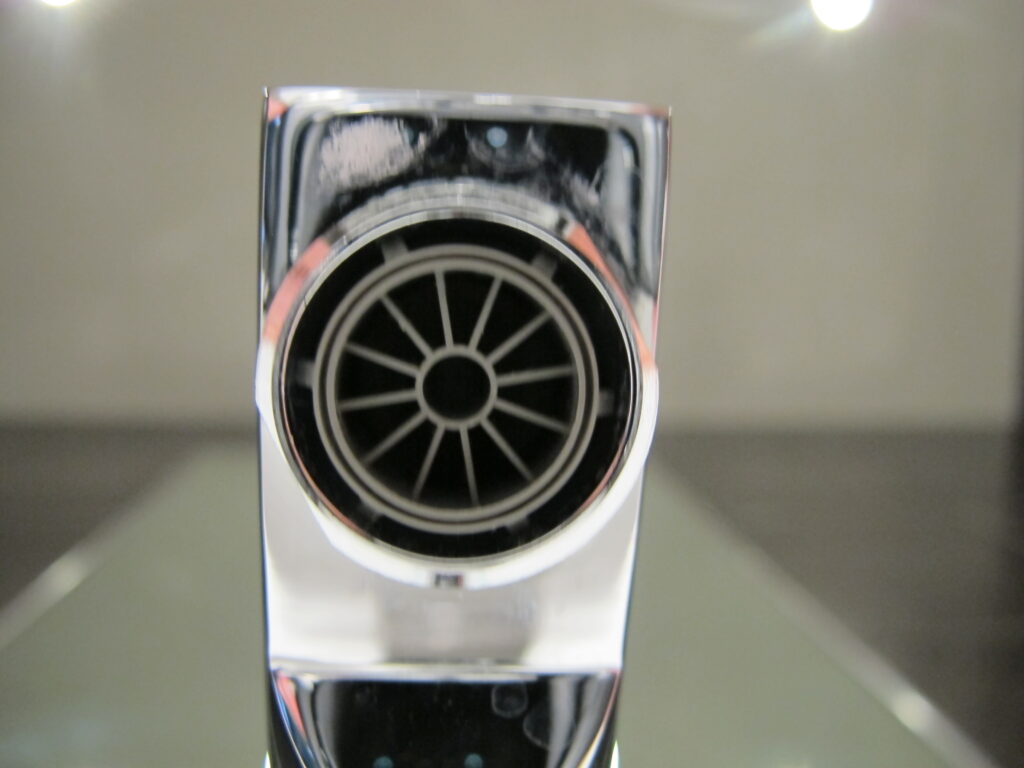
Speaker B: The Thames water produced a leaflet about water consumption, which I showed you in one of the slides. But that’s about it. But they should come with devises that affordable and like a reducer on a taps, on flush box and so on. Some to reduce the flow and the use of water. Something smart. #00:03:00-6#
Speaker A: It’s just not made. #00:03:01-9#
Speaker B: Smart sensors and so on #00:03:03-1#
Speaker A: There’s all this technology. #00:03:05-2#
Speaker B: But, because you are a customer, that should go into the cost, anyway. And it should be made affordable, or free, to be claimed anyway with your monthly payment. #00:03:16-6#
Speaker A: There’s no incentives in our political system to make that happen. #00:03:23-0#
Speaker D: Maybe they should put the price up when we’re getting into a drought.[END] #00:03:28-0#
Under the tap, by Jonathan Kaye